
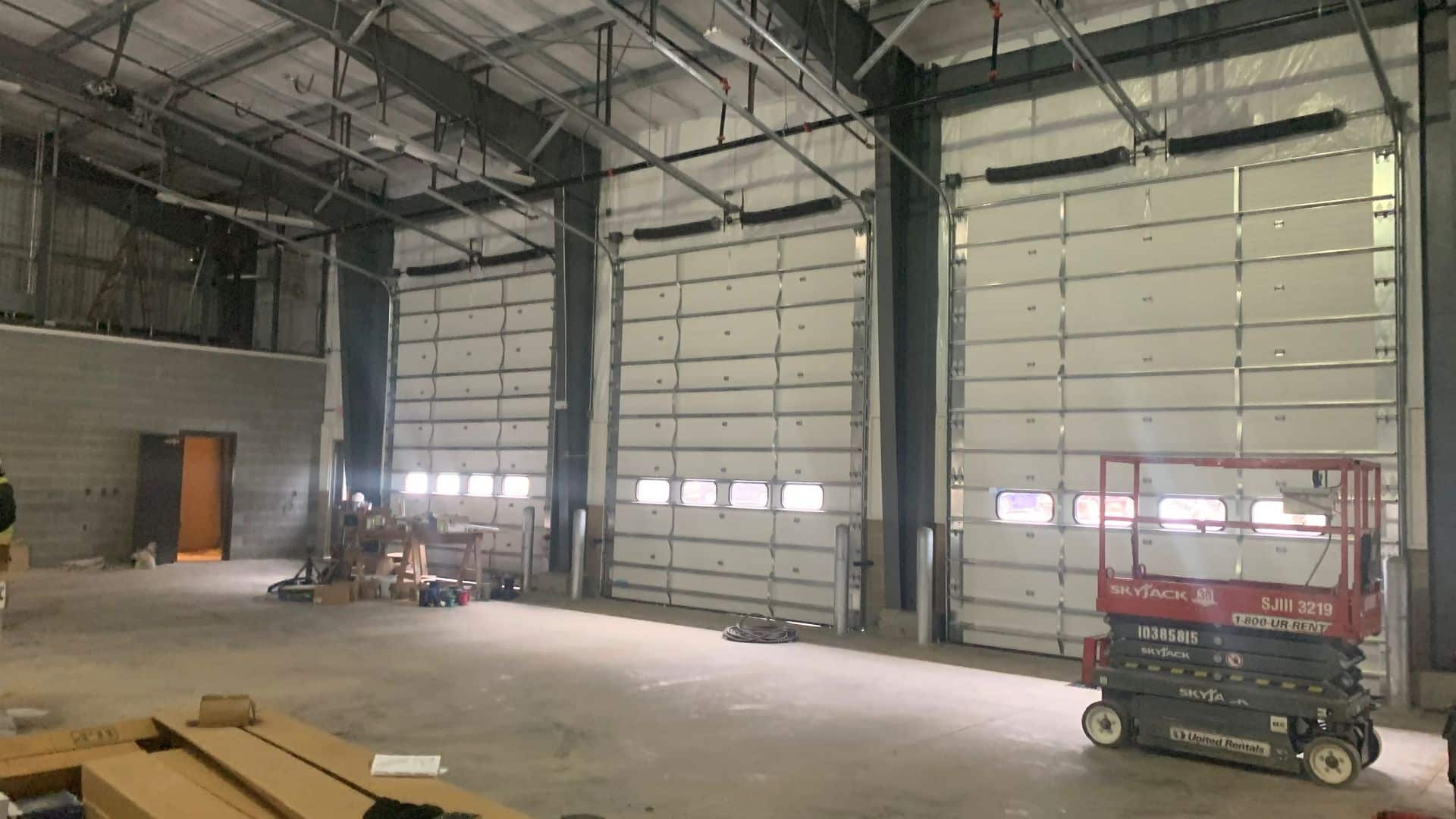
Industrial & Warehouse
Welcome
Hello, and welcome. This is Super Structures General Contractors — a national general contractor headquartered in Powhatan, Virginia — here to help you and your clients build something that lasts. We're glad you're with us, and we look forward to connecting with you.
Today we're tackling Industrial & Warehouse, and it's worth your full attention. Here's what it really comes down to: Industrial is a concrete-and-logistics game: nail slab flatness for racking/forklifts, sequence tilt-up and steel, and plan power and ESFR — the slab is the product. Stick with me — by the end, this just clicks.
What this project type is
Distribution centers, manufacturing plants, logistics hubs, and data centers — big footprints built fast with slab-on-grade, tilt-up concrete, and steel.
Who the typical stakeholders are
The owner/operator (often a national logistics or retail brand), the developer, structural and civil engineers, the GC, material-handling and racking integrators, and the power/utility company.
What makes it hard
Slab quality is everything — floor flatness/levelness (FF/FL) must support high forklifts and tall racking. Add tilt-up panel sequencing, schedules tied to equipment install, heavy power/utility demand, ESFR fire protection, and site logistics on a huge footprint.
Typical sequence of work
Mass grading → underground utilities → slab & foundations → tilt-up/steel erection → roof → dock equipment → MEP → fire protection (ESFR) → slab finishing → racking & equipment → commissioning.
Top mistakes beginners make
Poor slab flatness (which cripples racking and forklift operations), mis-sequencing tilt-up panels, underestimating ESFR fire protection and power, and ignoring site circulation/logistics.
Career paths inside this vertical
Concrete/slab specialist, tilt-up superintendent, industrial PM, and self-perform field engineer.
Takeaway: Industrial is a concrete-and-logistics game: nail slab flatness for racking/forklifts, sequence tilt-up and steel, and plan power and ESFR — the slab is the product.
Educational overview — every project, owner, and jurisdiction differs. Follow your specific contract documents, brand standards, and local authorities.