
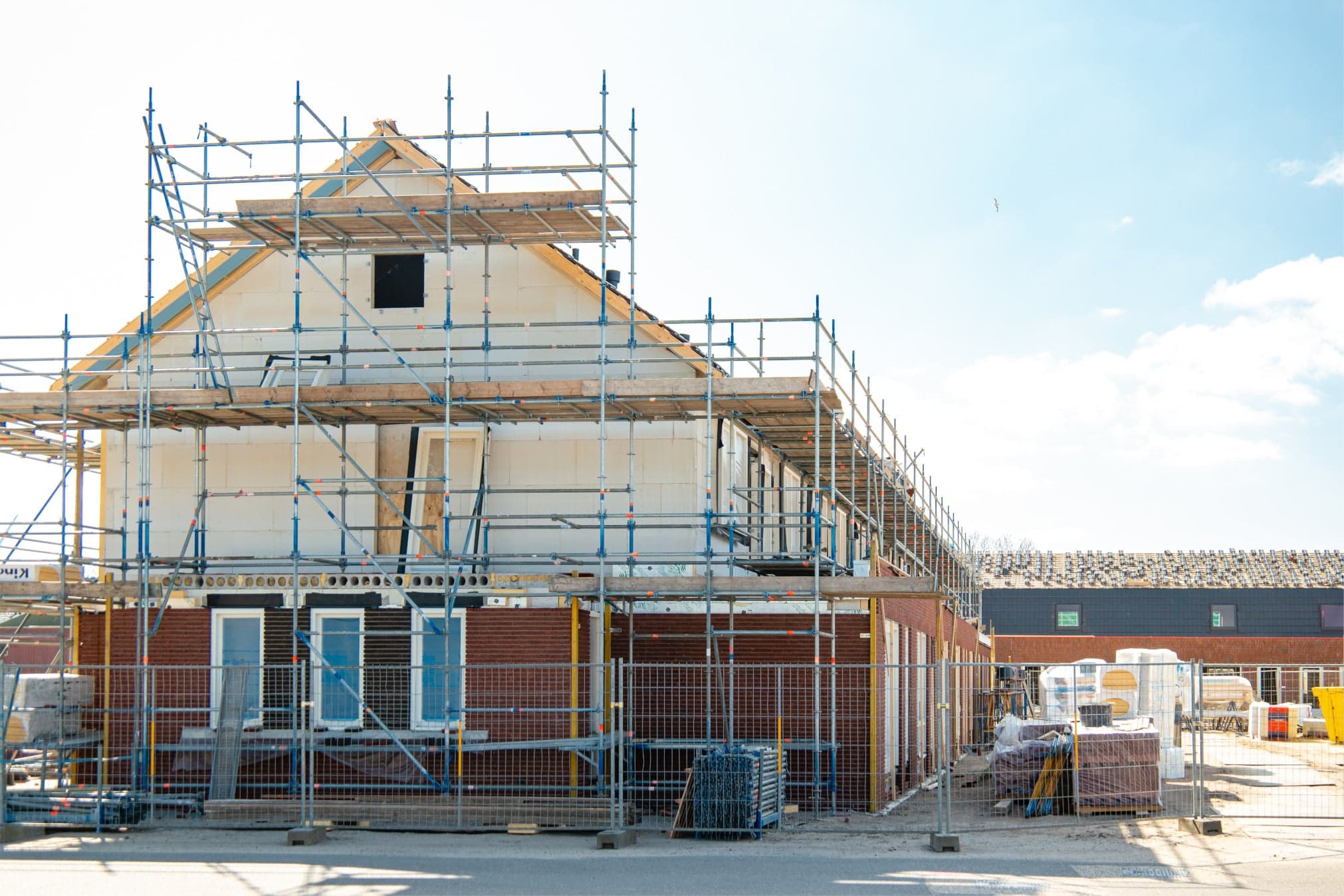
Why Construction Has Verticals
Welcome
Hello, and welcome. This is Super Structures General Contractors — a national general contractor headquartered in Powhatan, Virginia — here to help you and your clients build something that lasts. We're glad you're with us, and we look forward to connecting with you.
Let me tell you why Why Construction Has Verticals pays off down the road. Here's the big idea to walk away with: Construction is many businesses, not one — the building type drives the stakeholders, schedule, risk, standards, and careers. Knowing verticals is how a GC bids and staffs the right work. Learn it well and it's one more tool nobody can ever take from you.
"Construction" isn't one job — it's dozens of different businesses that happen to share tools. The building type (vertical) drives almost everything about how a project runs.
What changes from vertical to vertical
- Stakeholders — who's at the table (a homeowner vs. a hospital's infection-control team vs. a DOT engineer).
- Schedule pressure — a retail store must open for Black Friday; a hospital wing can't shut down patient care.
- Risk & inspections — a warehouse slab, a fire-rated apartment wall, and a surgery suite fail in completely different ways.
- Finishes & standards — a hotel brand's prototype vs. a tilt-up warehouse.
- Money — private developer cash vs. public taxpayer funds with prevailing wage.
Why a future GC must know them
A general contractor who understands verticals can bid the right work, price the real risk, and staff with the right people. The pro who only knows "houses" gets crushed bidding a hospital. This track walks the major verticals so you can see how the same trades combine into very different projects — and where the careers are.
Takeaway: Construction is many businesses, not one — the building type drives the stakeholders, schedule, risk, standards, and careers. Knowing verticals is how a GC bids and staffs the right work.
Educational overview — every project, owner, and jurisdiction differs. Follow your specific contract documents, brand standards, and local authorities.